

Gender, gender identity, and sexuality
Understanding the formation of gender, gender identity, and sexuality is crucial in appreciating the complexities of human identity.
Gender
Gender is a social construct influenced by societal norms and cultural contexts, defining roles, behaviours, and expectations assigned to individuals.
In other words, they are categories and ideas society has created to shape how we think people should act, dress, and behave based on whether they are seen as men, women, or something else. These ideas change depending on where we are.
Gender identity
Gender identity differs from gender. It refers to a person’s innate sense of self.
In other words, gender identity is your personal, inner feeling of whether you are a man, a woman, a mix of both, or neither. It is how you see yourself deep down. This feeling comes from a mix of factors, including your biology, how you were raised, your culture, and your surroundings.
Some ways gender identity is influenced by biological, social, cultural and environmental factors include:
Biological
Hormones that affect sexual development shape how your brain grows before birth and during the teenage years. Genes may also contribute toward how you feel about your gender, but scientists haven't found just one gene that controls this.
Social and cultural
How you learn about what it means to be a boy or a girl mostly comes from your family, schools, friends, and what you see in media. These influences teach us how society thinks boys and girls ‘should’ act, and reinforce the idea that non-binary identities do not exist. If you internalise these norms, you may start to think of them as ‘natural’, rather than a product of society.
Environmental
Spaces and environments segregated by gender and sex — like bathrooms and National Service — reinforce cultural expectations and may affect how you perceive and express your gender.
Cisgender, transgender, gender-diverse and intersex
Cisgender refers to people who have gender identities that match the sex they were assigned at birth.
A cisgender person can experience unhappiness with their gendered bodies. Men who are naturally thin, for instance, may feel distress because they don’t look masculine enough, while women who have facial hair may feel distress when they are labeled as unfeminine.
These expectations are often cultural and social in nature, enforced by beauty norms and cultural contexts.
Transgender people have gender identities that do not match the sex they were assigned at birth.
Transgender identities includes a range beyond the male-female binary. Some feel like they are neither men nor women (non-binary) and some may feel that the concept of gender may not apply (agender). These identities are often called gender-diverse.
Intersex people are born with, or later develop, physical sex markers (such as genitalia, chromosomes, and hormone levels) that do not fit neatly into the categories of male and female.
Their diversity challenges the rigid classifications of sex markers. An intersex person may be assigned female at birth and may be raised as a woman, yet they may not have the chromosomes that define them as ‘genetically’ female.
Sexuality and queerness
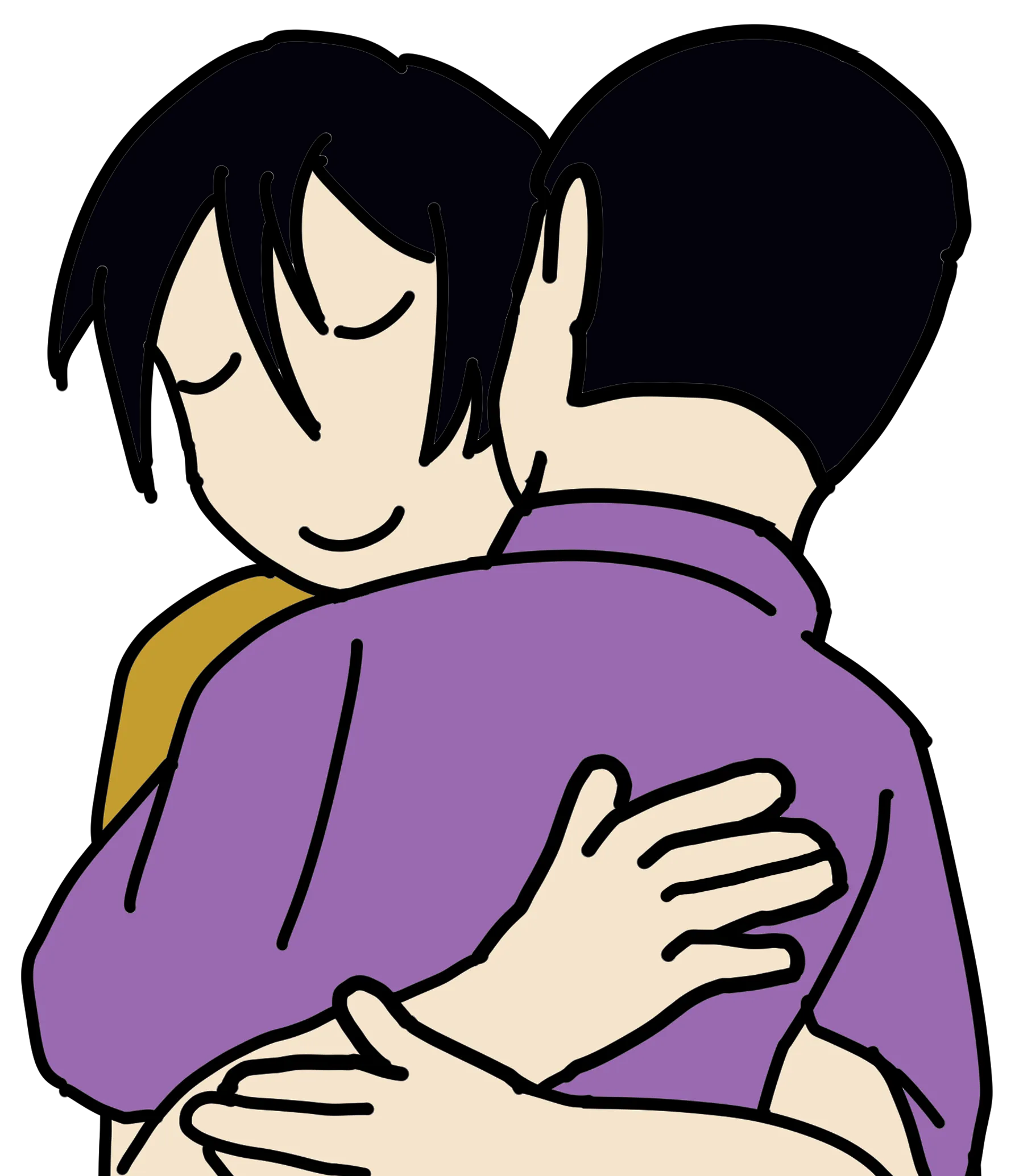
Gender is about who we are, and sexuality is about who we are attracted to.
Sexuality refers to the romantic and sexual attraction one feels towards others. It can be independent of gender and gender identities.
The factors influencing sexual orientation are significantly determined by genetic attributes, as well as sociocultural and environmental factors.
A transgender or gender-diverse person can be attracted to someone who is of their same gender.
In essence, while gender is about who we are, sexuality is about who we are attracted to.
Queer is a word once used as an insult, but has since been reclaimed by LGBTQ+ people to describe a sexual and gender identity that doesn’t fit into the usual categorical norms.
This term is also used broadly by those who advocate for a wider acceptance of non-heteronormative social constructs.
Can sex be changed?
Sex refers to the biological and physiological characteristics that define us. These include sex chromosomes, as well as primary sexual characteristics (external genitalia and internal reproductive organs) and secondary sex characteristics (like breast development and facial hair).
Some of these characteristics can be altered through surgery or other procedures.
Anti-trans proponents argue that sex is immutable, based on the belief that some aspects of a human cannot be changed and are ‘essential’, namely that women are born with XX chromosomes and vaginas, and men are born with penises and XY chromosomes.
However, the existence of intersex people proves that biological sex exists on a spectrum.
Intersex people are born with variations in sex characteristics that don’t fit typical binary definitions.
Even if these variations are ‘corrected’ (sometimes by force, without the person being able to consent), their characteristics still differ from the binary.
Being transgender is different from being intersex, but gender-affirming healthcare — including hormonal therapy and surgery — is also often undertaken by trans people to change the appearance of physiological sexual characteristics to more closely align to the gender they identify with.
Biological influences in gender identity and sexuality
Like many other human characteristics — height, skin colour, or eye colour, for instance — both gender identity and sexuality are partly influenced by biology.
Emerging research suggests that hormone levels in the placenta may affect a person’s gender identity by changing how a child’s brain develops before birth. Some studies indicate that genes may account for up to 32% of the factors influencing sexual orientation, with many different genes working together.
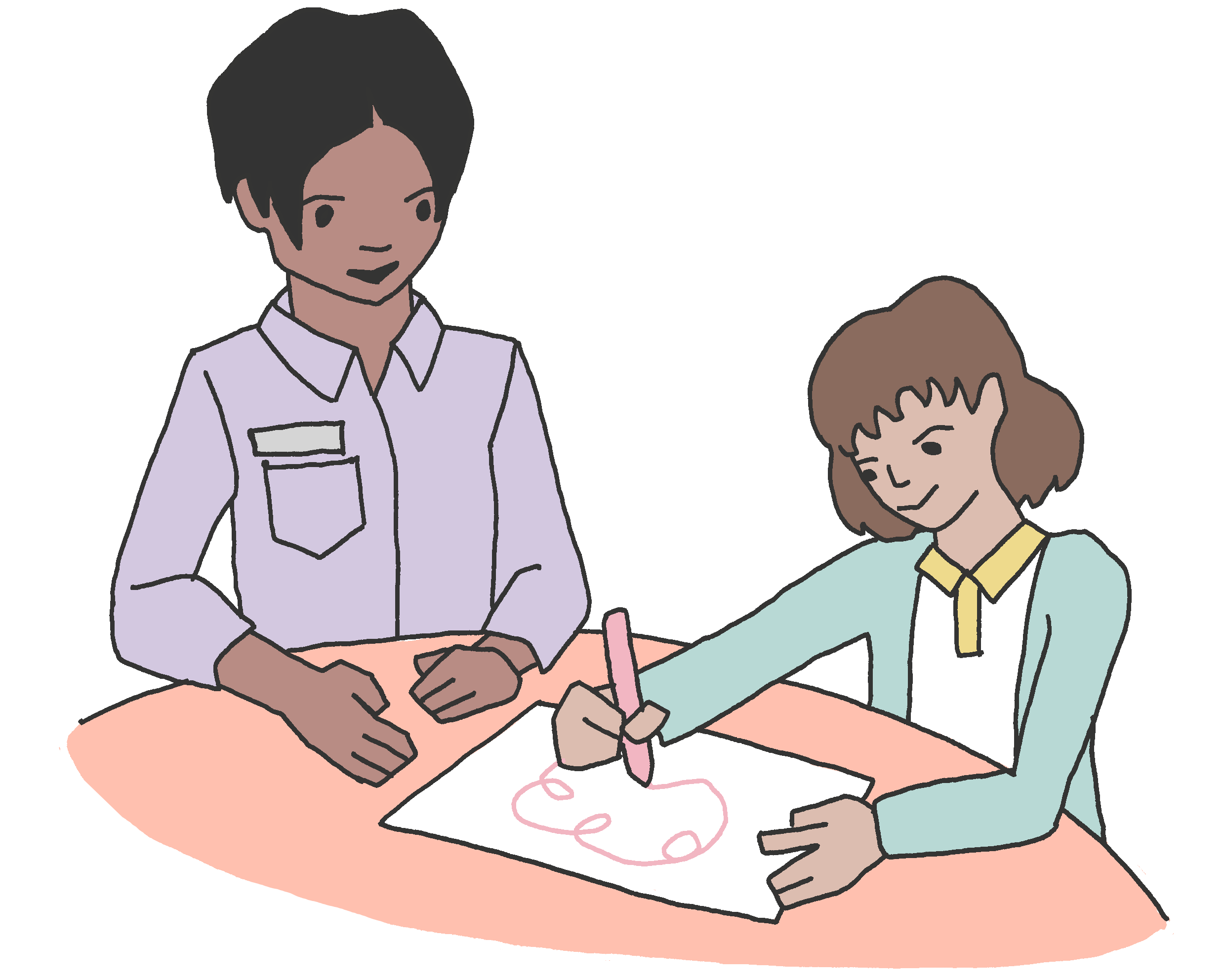
Here we need to make an important distinction: while gender is something created by society — through expectations about how men and women should behave — gender identity has biological roots in our bodies and brains.
This difference matters, because people who oppose transgender rights often claim that being transgender is a psychological issue or a mental illness, ignoring biological factors involved.
While researchers work to understand why people develop different gender identities and sexualities, such research should never be used to try to eliminate this variance from society.
We are who we are because of many different things; biological, cultural and social influences all shape how we live our lives, and it is important to preserve the fundamental freedoms that should be accorded to us as human beings, no matter how much we vary.
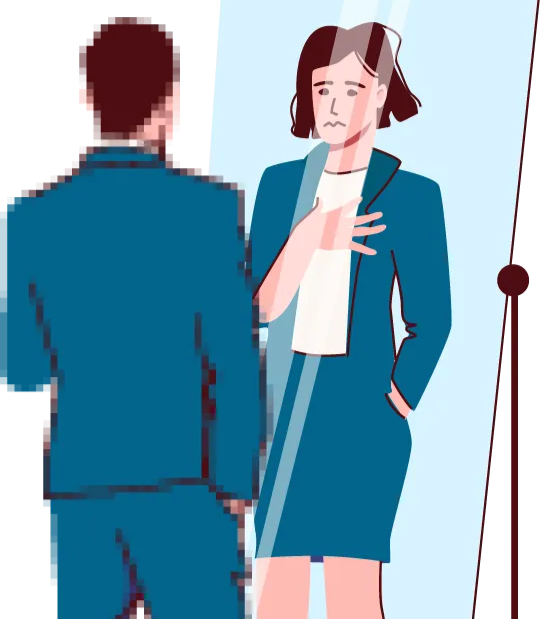
Psychological perspectives on gender and sexuality
Psychologically, gender identity and sexuality are part of how we see ourselves. They develop over time through our self-reflection and outside influences.
Modern theories focus more on natural tendencies and our self-recognition of gender and sexuality over time. How you were raised as a child, what your family taught you, and what society expects of you all affect how you understand your gender identity and sexuality, even though you may understand yourself innately in a different way.
Sociocultural factors determining gender and gender identity
Sociocultural theories say that gender and sexuality are mostly shaped by our interactions with others and cultural norms.
Our society and culture teaches us what behaviours are expected from boys, girls, and people of other gender identities, and we learn these expectations directly — through parents or teachers — and indirectly — through movies, games, books and other media.
Gender roles have evolved across time and differ between cultures.
Much of what we think of as "masculine" or "feminine" is invented by society, and is not merely biology.
For example, the idea that pink is for girls and blue is for boys only became common in the mid-1800s.
Similarly, the perception of gender identity is dependent on culture. Access to supportive communities, gender-affirming healthcare, and legal recognition can impact the positive development and expression of transgender identities.
A good understanding of gender, gender identity and sexuality in their multifaceted forms is essential in building a society where every person can thrive.
It is only through continuous education, advocacy, and equitable policies that we can hope to address the challenges faced by the transgender community, to ensure that every person has equal opportunity to live safely within their communities.