
Before leaving Singapore
Customs officers usually compare your identification photo on your passport with how you appear, and they are likely to flag you if you look different from that of your passport. Thus, it is key for you to update your passport, especially if your passport was made before your transition. The Immigration and Checkpoints Authority recommends that you apply for a new passport with an updated photo if your facial appearance has changed significantly. You should also apply for a new passport if you have recently changed your name. If you are crossing the border after facial feminisation or masculinisation surgery, carry a letter from your surgeon explaining why you look different at the border, and the medical reasons why you should not remove any bandages.

Travel advisories
If you do not hold a Singapore passport, seek advice from your foreign ministry or local LGBTQ+ organisation on travel outside of Singapore. The International Lesbian, Gay, Bisexual, Trans and Intersex Association provides information on LGBTQ+ rights around the world, and UK’s Stonewall global workplace briefings provides the legal, socio-cultural and workplace conditions for people in different countries.
Always apply some caution anywhere you go; just because crossing a country’s border is safe doesn’t mean that society at large is safe as a whole. Societies across the world are diverse in their acceptance of trans identities, so read up online before you decide to go!
Southeast Asia
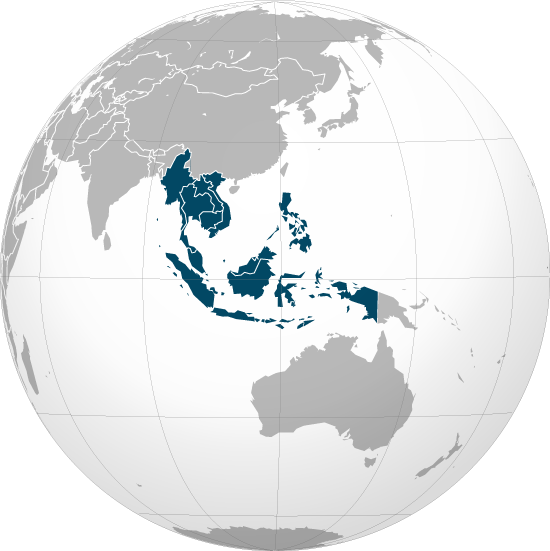
Southeast Asian countries are common holiday destinations for Singaporeans. However, overall trans recognition and protection in the region is low. Countries like Thailand and the Philippines generally hold more trans-friendly attitudes. In Malaysia, Indonesia and Brunei, gender expression is limited, and crossdressing (typically applied to transfeminine people) is seen as a punishable offence, according to a survey from the International Lesbian, Gay, Bisexual, Trans and Intersex Association (ILGA). Exercise caution while crossing the border to Malaysia and Indonesia. Avoid non-essential travel to Brunei.
Oceania, East Asia and South Asia

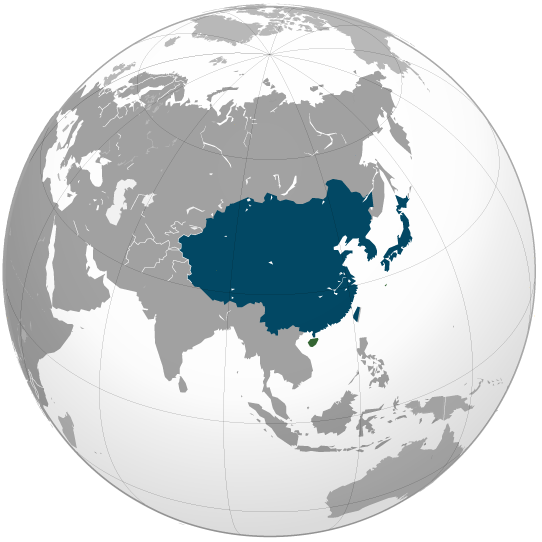
Australia and New Zealand are generally trans-friendly, and you should not encounter problems at the border. Countries in East Asia — China, South Korea, Taiwan and Japan — are also generally trans-friendly, though travellers should exercise caution outside of large cities like Tokyo, Seoul or Chongqing.
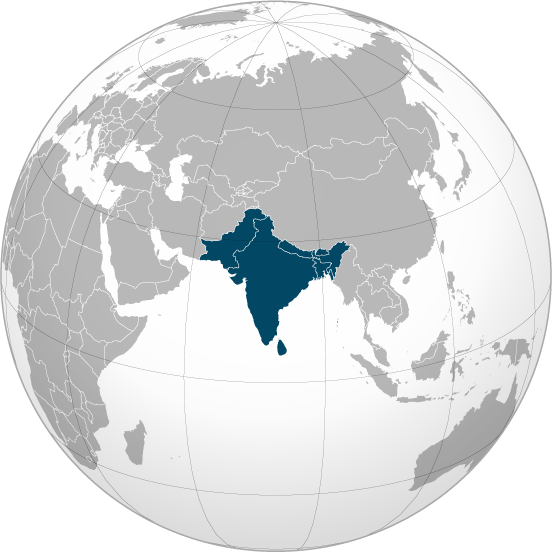
India, Pakistan and Sri Lanka hold marginally trans-friendly attitudes — trans people can change their legal gender in Sri Lanka, and India and Pakistan have traditionally recognised a third gender and have protections for transgender people.
Avoid travelling to Afghanistan.
Middle East, Central Asia, West Asia and Africa
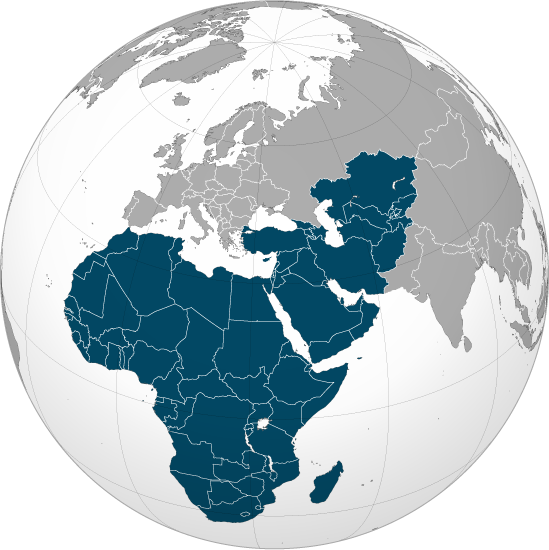
Non-essential travel to countries in Central or West Asia is not recommended, due to limited recognition and protections.
Travel to the Middle East, including Jordan, Kuwait, Lebanon, Oman, United Arab Emirates and Qatar is not recommended. These countries have gender expression laws that restrict ‘crossdressing’, and are likely to deport you if you attempt to cross their border.
The United Arab Emirates poses significant risks for trans travellers, with instances of trans people being arrested and jailed when visiting the country.
Trans people transiting through Dubai and Qatar or attempting to enter these two places have also been detained and subject to strip searches and genital examinations, when their appearance does not match the sex on their passports. Similar incidents have occurred in other Middle Eastern countries like Egypt.
Avoid stopping in these regions, especially if you are travelling alone. If you do transit through these countries, avoid crossing immigration at the airport.
In Africa, there is limited trans recognition or protection outside of European overseas territories, especially in North and West Africa. South Africa and Namibia may be the most trans-friendly destinations. Note that gender expression laws, which restrict ‘crossdressing’ behaviours, are also present in Nigeria, Malawi, South Sudan, and The Gambia.
Europe and Russia
European countries — within the Schengen area — are largely trans-friendly, with the exception of Hungary. The treatment of trans people in the UK has been an increasing source of controversy, with an overall erosion of support towards transgender rights. While transgender travellers may not have issues crossing the border, travellers should still exercise caution.
Travellers should take extra care when visiting Essex, Kent, and North England. Avoid all travel to Russia; the country’s wide-ranging ban on ‘propaganda of homosexuality’ applies widely to transgender people.

United States
The United States under Trump has threatened a permanent visa ban on transgender travellers to the US, instructing visa officers to apply a ‘permanent fraud bar’ against trans applicants. Unlike regular denials, this can trigger a lifetime exclusion from travel to the United States. While Singaporeans are largely exempt from a visa requirement for short-term visits to the US for business and tourism under the Visa Waiver Program, and the ban was largely targeted at transgender athletes, travellers going to the United States for study or work should exercise caution. Speak to your visa facilitation company, school or employer for more information.
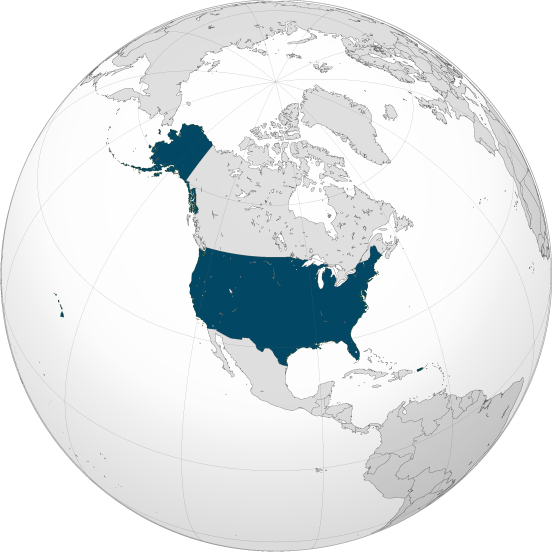
The U.S. presents varying levels of safety for transgender travellers depending on location. Erin Reed's Anti-Trans Risk Assessment Map classifies states like Texas and Florida as high-risk areas for transgender travellers. Several states in the Deep South and Rocky Mountain regions also present elevated risks. The most trans-friendly regions in the US (as of Jan 2025) include the West Coast and New England regions, as well as Minnesota, Illinois, Colorado, New Mexico, and Hawaii. Consider visiting these areas when planning a trip to the US. It is illegal in some states to use a public toilet or facilities that do not match your assigned gender, regardless of your transition status. Be careful when travelling through the US, especially if you are visibly transgender or have not changed your legal gender marker and may be outed as trans when seeking accommodation. Gender-segregated hostels may be especially dangerous in states where you have to use the toilet and showering facilities for a gender you may no longer look like, putting you at risk of violence.
Foreign objects like prosthetics will commonly set off alarms and result in you being flagged for a pat-down. As such, it is ill-advised to wear prostheses like breast forms or packers. If you do, inform the TSA officer ahead of the screening process. You will not be required to remove them, but you may be required to lift, raise or lower your clothing. You can request for this to be done in a private area. Otherwise, remove your prostheses prior to the screening and submit them through the X-ray.
Travellers to the US will have to go through Transport Security Administration checks.
As part of the screening process, travellers will have to walk through an imaging portal that produces a generic outline of a person.
The machine scans male and female bodies differently in accordance with the gender the TSA officer identifies you as, and produces an alert when anomalies are discovered.
The TSA guide for travelling to the US as a transgender person has been removed, but you can find an archived version here.
Typically, a lack of expected body parts does not get you flagged. However, binders may set off alarms at times.
It may be easier to inform the TSA officer ahead of time that you are transgender, or go through the screening without binding and retrieve your binder from your carry-on and put it on during the flight after you’ve gone through the security checks.
If you choose not to be screened by the portal, you will instead be given a pat-down by an officer of the gender which you present most closely as.
You can request that this be done in a private screening area with a witness of your choosing, and you should not be asked to remove or lift your clothing to reveal any sensitive areas. If you are likely to be flagged by the scanner and chosen for a pat-down, it is likely to choose this option directly from the start.
Additional resources for transgender travellers going to and from the US are listed below; travellers to other countries may also find them useful:
Logistics
Travelling with hormones and equipment
If you will be away for an extended period of time and need to bring hormones with you on a flight, place them into your carry-on luggage for safety, especially for testosterone – freezing temperatures and rough handling could break vials and damage the medication. Needles and syringes must be checked in as they are not allowed in the cabin.
Before travelling with medication, have your healthcare provider write you a letter explaining your prescription. This need not mention that you are trans. Most of the time, you will not need to present this letter, but it is always good to have it as a backup in case you are questioned, especially if you are carrying a large quantity of medication.
Testosterone in particular is considered a controlled substance and might cause issues if you have no doctor’s letter justifying your possession of it.
Travelling with packers and dilators may present problems if they are deemed sex toys and prohibited from being brought into your destination country.
International driving license
The name on your international driving license will have to match the one on your Singapore driving license. This is not automatically updated if you have changed the name on your NRIC.
You will need to update the Land Transport Authority (LTA), change your Singapore driver’s license, and then apply for your international driving license afterwards.
Buying tickets for travel
When purchasing tickets for travel, your details need to match those on your passport. In general, you are advised to select the sex marker that matches your documents. In some cases, it may be possible for you to choose a gender-appropriate salutation to appear in their correspondence with you and on your boarding pass. For instance, a trans man who is still legally female will have to select the female option, but may be able to choose ‘Mr’ as the salutation, which is what will appear on his boarding pass, reducing the chances of encountering trouble at the border. Airlines with this option include Qantas and Cathay Pacific.
This is not always possible with Singapore Airlines (SIA) and its budget subsidiary Scoot.
If you have an existing Krisflyer account in your legal sex, booking tickets from the website will not allow you to choose a salutation that does not match. You can choose your salutation, however, if you create an account or book your tickets as a guest.
While some trans people have successfully flown with SIA and Scoot using a boarding pass salutation that matches their appearance rather than their passport, others have also been made to pay to revert the salutation and reprint their boarding pass. This cost can be as high as $200 or more, depending on the passenger class; fees tend to be higher for cheaper flights.
If you are travelling with SIA or Scoot, you will have to decide for yourself if you would risk the cost of reprinting your boarding pass, which may come with greater scrutiny and associated risks of outing yourself. Take into account your “passability”, as well as what country you are travelling to and how safe it is for trans people.
If in doubt, check with the airline's policy or customer service and keep documentation of what you are advised.
Leaving and returning to Singapore
In general, leaving Singapore with mismatching documentation and presentation is not much of an issue. Border officials will mainly check if the name on the passport matches the name on the boarding pass, as well as if the photograph on your passport matches with your face. They will generally not look at the sex listed on your passport. Border control and gate security will have had experience with transgender individuals, and probably see more of us than we think. So long as your photograph is up to date and resembles you, even if not a complete match, clearing customs will likely be a smooth process. If you have a biometric passport, you will not have to go through border security to get back into the country as the process is automated. In the unlikely event that you have to cross border security, explaining the situation if questioned should be enough to let you pass through.
Minimising risk
Tips
Registering with MFA
Before travelling overseas, consider using the MFA eRegister service regardless of whether you are travelling abroad for study, work or leisure. The eRegister system requires you to login using your Singpass. It records information about your travel itinerary abroad such that MFA is able to contact you. In the event of any emergencies, MFA may also be able to assist you with getting aid.
You are also advised to look at MFA’s travel advisories for your destination.
You can find these here.
Accommodations
Most, if not all, hotels, hostels, and inns will require you to present some form of photo ID when checking in. This varies with Airbnb. If you have transitioned but not legally changed your sex, this risks outing you to strangers, and could result in the host refusing you accommodation. The risk is higher with smaller businesses or individual hosts who do not have a brand reputation to protect. However, there may be local laws or regulations that prevent establishments from turning away transgender persons, like in Japan.
As such, if you are travelling with cis people, it is usually best that they make the reservations to avoid disruption to your travel plans. If you are travelling solo or with an all-trans group in a country or region known to be unfriendly, it would be good to determine a backup plan just in case you are denied accommodation after arrival. If you are visibly trans or have mismatched documents, we recommend that you stick to large brand names like Marriott, Hyatt, and Hilton as these are more likely to have trans-friendly policies in place.
Depending on your destination, you may be able to find guides for LGBTQ-friendly accommodations.
Not all gay-friendly locations are welcoming to trans people.
A Singaporean trans woman had her Airbnb booking cancelled after she presented her photo ID, even though the host was described as LGBTQ-friendly and had no issues with her up to the point they found out she was trans. Though Airbnb has rules against discriminating against LGBTQ travellers, violations still occur.
Hostels often have sex-segregated bathroom facilities and dormitories or floors, which could pose a safety issue or violate hostel policies if you have not legally changed your sex and are assigned a room or floor according to your legal sex marker. You may wish to call to enquire, or look for mixed-sex or private rooms before booking these hostels. Hostel shower facilities do not always have locks on the doors, particularly in the men’s bathrooms. On rare occasions, they may only have communal showers, as is the case for some hostels in Japan. If you are a trans man who has not undergone top and/or bottom surgery, and safety is a concern, consider showering at odd hours of the day when there are unlikely to be others around. You could also consider showering with a loose swimsuit on (or a thin T-shirt and underwear). This is not uncommon for cis people who are uncomfortable with communal showers, so doing so might not necessarily make you stand out.