

Regardless of your status as a psychiatrist, endocrinologist, general practitioner, or other medical professional, understanding the unique needs of transgender patients is essential to building good doctor-patient relationships and providing them with high-quality healthcare.
The World Professional Association for Transgender Health (WPATH) is the leading organisation and authority on standard healthcare procedures relating to a transgender patient’s health. Based on their most recently released Standards of Care v8 (WPATH SoC8), basic competencies required for transgender healthcare include:
- Being culturally competent does not mean you need to agree with your patients’ belief systems. Instead, it means that you can create meaningful interactions and relationships with patients in intercultural settings.


Cultural competencies
Many LGBTQ+ people face barriers in accessing and receiving medical care, and trans people are especially affected by this. When medical professionals lack proper training in cultural competence, patients are at greater risk of experiencing health disparities and may develop a mistrust of the medical system.
We believe that cultural competencies should be centred on the core value of respect.
Treating your patients with dignity, respect and empathy is paramount to building trust in the medical profession and healthcare institutions.
Avoid expressing distaste or disapproval for your patients’ appearance, gender expression or other aspects of their gender identity. The patient may lose faith in your professionalism due to what they see as a poor bedside manner, a dismissal of their identity or a poor understanding of their healthcare needs.
Regardless of your personal views about LGBTQ+ people, you should continue to treat every patient with the same respect and care that everyone deserves.

Respect and sensitivity
Use the name, pronouns and salutations a patient may request you to use, and be sensitive with your recording of their medical history. This greatly improves a patient’s comfort, and for many trans people, doing so is often considered the bare minimum.
Avoid misgendering or deadnaming patients you know to be transgender, unless they have requested otherwise (for example, in front of a parent they’re not out to).
Additionally, if there is no direct medical relevance between the patient’s conditions and their gender, questions about their transgender status or sexual history are inappropriate and should be avoided.
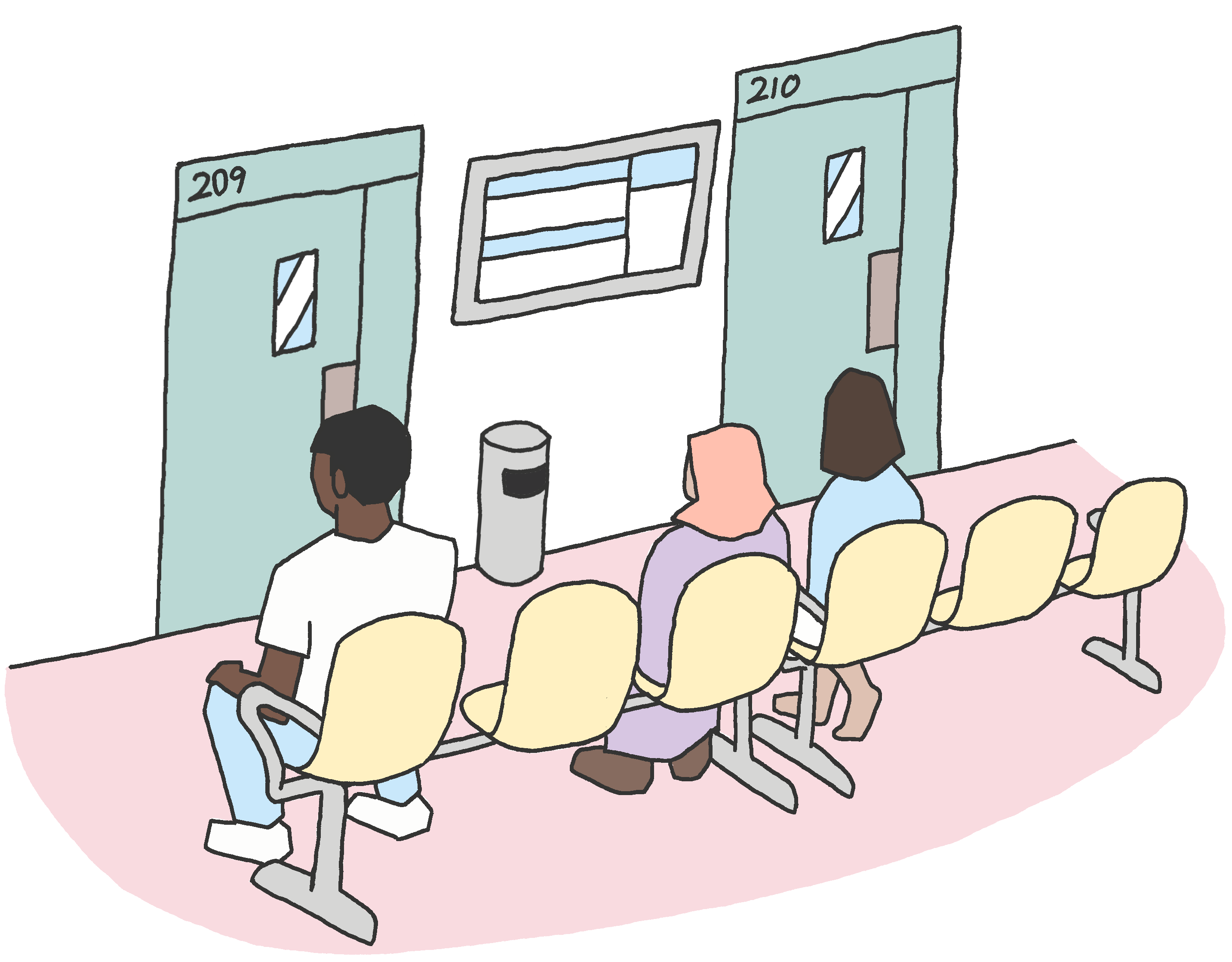
A patient’s medical records might already contain their medical history, including mentions of whether they are transgender and what gender-affirming treatments they may have undergone. If you have access to relevant records, check first and develop an understanding of your patient’s needs before seeing them.

It would be considered invasive to ask a trans patient about what surgeries they have completed, or how they have sex, if this is not relevant to what the patient is seeing you for.
If you need to ask a question regarding surgery and whether a trans patient has had surgery scheduled for the near future, you can simply ask: “Do you have any surgeries scheduled in the next two months?”
Other ways you may be sensitive to the needs of all of your patients would be to incorporate inclusive options beyond the binary for the gender field in medical documentation. A patient’s assigned gender at birth can also simply be placed within your note if needed.
If a patient intends to change their name, pronouns and salutations, respect their wish to do so.
Check with the patient if they would like you to inform your staff of changes to take note of, like their name or pronouns, to minimise their discomfort and avoid addressing them wrongly them in the waiting room.
Reproductive care
When it comes to reproductive care and other healthcare relevant to a patient’s transgender status, the imperative to know and use the right terms becomes greater.
It may also be helpful to inform patients that you will be using relevant masculine or feminine medical terms for their anatomy. This will allow them to inform you of any different terms that patients will want you to use when referring to their anatomy.
Set a welcoming tone when it comes to new clients, even if they are not trans. You can say:

Physical examinations
If physical examinations are needed, be sensitive around sexual and reproductive healthcare and body parts.
Trans people often feel vulnerable during physical examinations, more so if they’re naked. Try to minimise the amount of time required to complete the examination. Avoid unnecessary comments about their anatomy; if comments or questions are necessary, try to reserve them for after the examination.
Policy flexibility
Healthcare policy in Singapore often does not accommodate trans patients. As such, some flexibility would be appreciated when it comes to applying healthcare policies to trans patients.
It may be necessary to digress from protocol applied to cis patients and develop systems flexible enough to accommodate trans patients.
For instance, trans women and transfeminine people on more than five years of HRT should take mammograms annually if they are 40 years or older; while trans men who have not had top surgery and are 40 years or older also need to take annual mammograms.
Policies that rule out mammograms for trans women because of their legal sex can be harmful for them, while repetitive screening reminders for trans men who have had top surgery might be seen as annoying, or worse, dysphoria-inducing.
Additionally, questions about pregnancy before X-ray imaging can be better designed to accommodate trans people.
Trans men and transmasculine folks may have ceased their periods, and many would hate to be asked questions on periods and pregnancy.
Trans women may find it awkward being asked when their last period was.
Be sensitive or discreet with these questions if it’s necessary to ask them.
Consider asking an open-ended question such as ‘Is there any possibility you might be pregnant?’ and following up with a question about the patient’s last monthly period only if they answer yes or maybe.
Alternatively, include the question on a form for all patients to fill in instead of having a staff member ask every patient who appears to be a woman of childbearing age.
Clinical competencies
HRT — like any other treatment — has contraindications and effects. Transfeminine people who take HRT at standard doses will have hormone levels and blood cell count similar to cis women, while transmasculine people who take HRT at standard doses will have blood cell count similar to cis men. HRT is likely to also affect many other blood values.
These changes should be accounted for to avoid flagging false positives or false negatives during a blood test.
Possible interactions and contraindications for HRT

If you have a trans patient and are concerned about possible contraindications that HRT may have with certain medications, do your research on how HRT can affect body parts and functions under your specialty.
While many medications and treatments do not interact with HRT, it is necessary for healthcare professionals to familiarise themselves with those that do. It is especially important to monitor those related to bone mass, liver functions, and cardiac functions since these tend to be more susceptible to negative impact from changes to a patient’s hormonal balance.
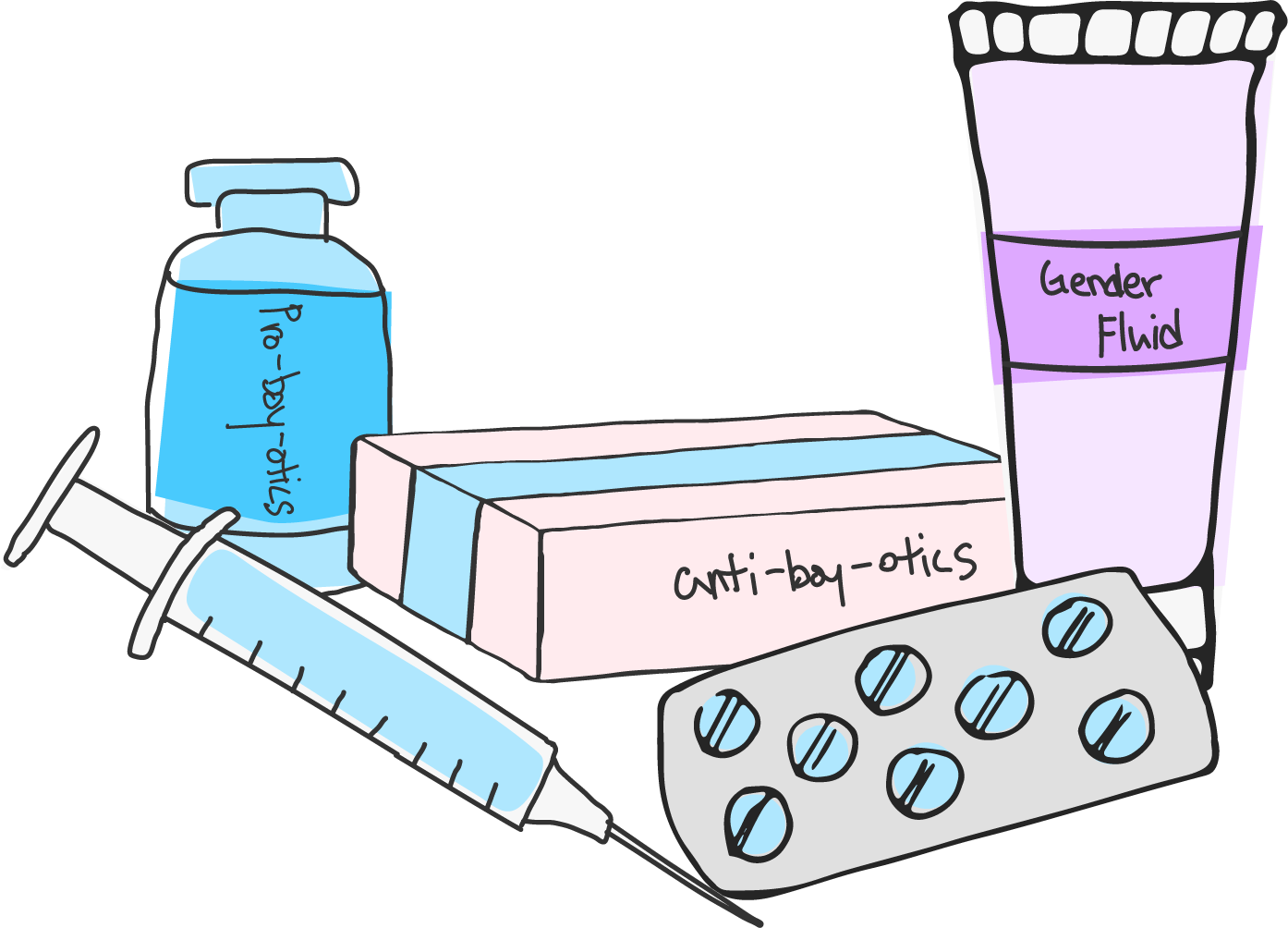
Avoid assuming that HRT is always responsible or correlated with any other health abnormality (i.e., trans broken arm syndrome).
Only a select few pre-existing conditions—like severely impacted liver function—may lead to administration of HRT being inadvisable.
However, it is worth noting that drugs impacting sex hormones, like spironolactone for patients on testosterone, or anti-retroviral drugs for patients on feminising hormones, may cause HRT to be less effective. Conversely, it is also possible that HRT may cause certain treatments to be less effective, though there have been limited studies on this topic.
Overall, consider how your diagnosis and medical plan will interact with and affect a transgender patient’s current medical conditions and HRT, and communicate these interactions with the patient.
Additional reading